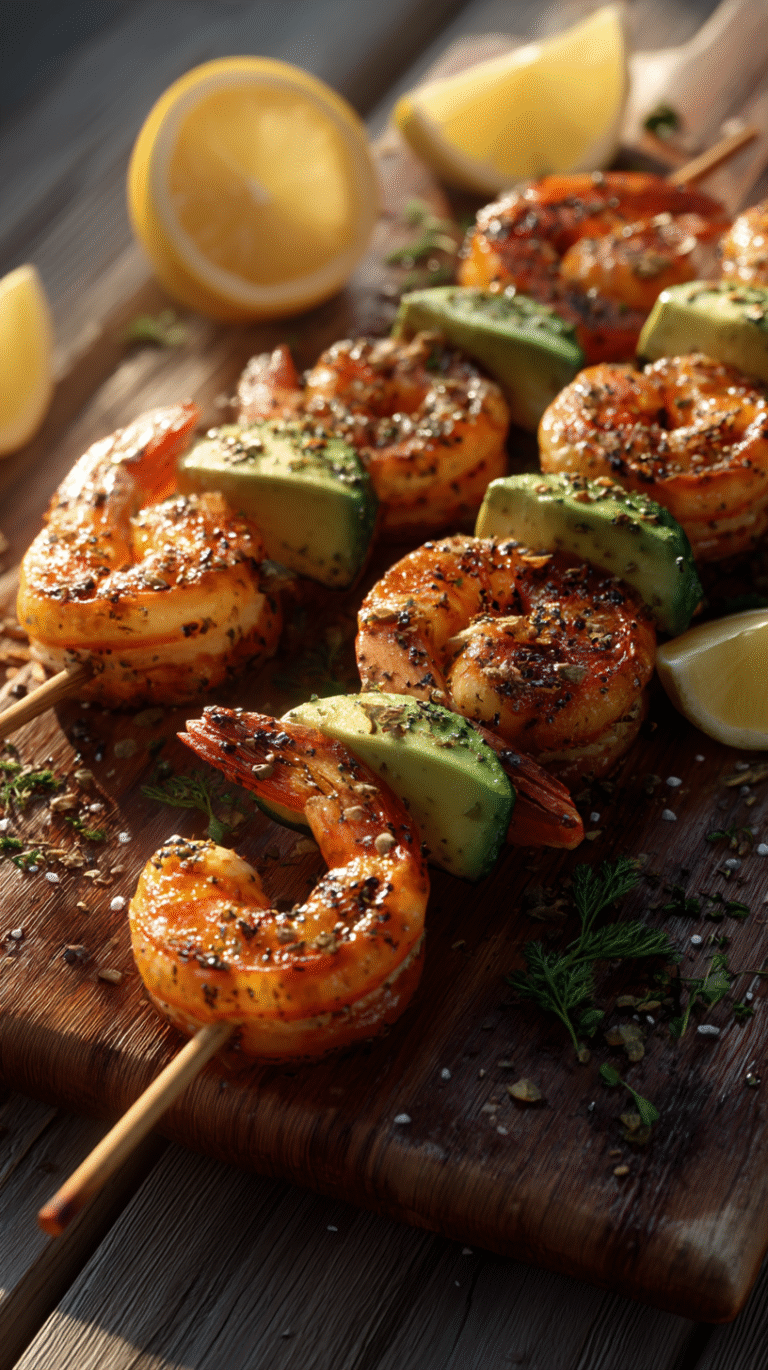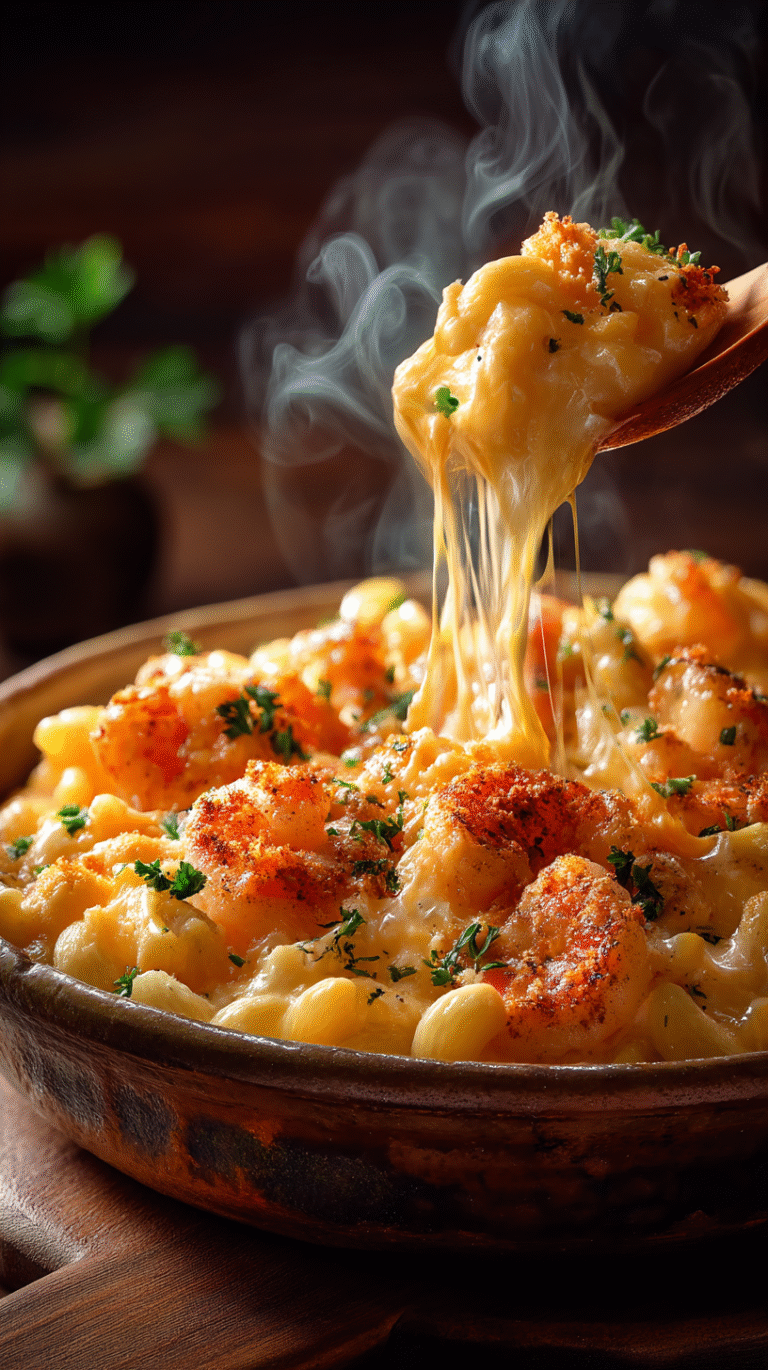
Creamy Shrimp Alfredo (Better Than Any Restaurant!)
There’s something almost magical about twirling your fork through silky ribbons of fettuccine coated in that velvety alfredo sauce, with plump, perfectly seasoned shrimp nestled on top. I’ve been making this shrimp alfredo for years now, and honestly? It never gets old. It’s the kind of meal that feels like you’re treating yourself to something special, even on a random Tuesday night.
The beauty of this recipe is in its simplicity. You’ve got buttery garlic-kissed shrimp, rich cream sauce loaded with real parmesan cheese, and tender pasta that holds onto every bit of that dreamy sauce. It comes together faster than you’d spend waiting for takeout, and the flavor? Miles ahead of anything you’d get in a jar. This is comfort food at its finest, fancy enough for date night but easy enough that you won’t stress over it.
Time Information
Prep Time: 10 minutes
Cook Time: 15 minutes
Total Time: 25 minutes
Servings: 4
Ingredients
For the Shrimp:
- 1 pound large shrimp (26-30 count), peeled and deveined
- 2 tablespoons unsalted butter
- 3 cloves garlic, minced
- Salt and freshly ground black pepper, to taste
- 1 tablespoon olive oil
For the Alfredo Sauce:
- 4 tablespoons unsalted butter
- 2 cups heavy cream
- 1½ cups freshly grated Parmesan cheese (please, grate it yourself—the pre-grated stuff just doesn’t melt the same)
- ½ teaspoon garlic powder
- ¼ teaspoon nutmeg (trust me on this one)
- Salt and pepper, to taste
For the Pasta:
- 12 ounces fettuccine pasta
- 1 tablespoon salt (for pasta water)
- Fresh parsley, chopped (for garnish)
- Extra Parmesan cheese (for serving)
Optional but delicious: A squeeze of fresh lemon juice before serving adds the most wonderful brightness.
Instructions
Step 1: Get That Pasta Water Boiling
Fill your largest pot with water, add a generous tablespoon of salt (it should taste like the ocean), and get it boiling. This is the longest part of the recipe, so start here. Once boiling, add your fettuccine and cook until just al dente—usually about 10 minutes, but check your package. Before you drain it, scoop out about ½ cup of that starchy pasta water. You might need it later to adjust your sauce.
Step 2: Prep and Cook the Shrimp
While the water’s heating up, pat your shrimp completely dry with paper towels. I can’t stress this enough—wet shrimp will steam instead of sear, and you’ll miss out on that beautiful golden color. Season them generously with salt and pepper.
Heat the olive oil and 2 tablespoons of butter in a large skillet over medium-high heat. When the butter’s melted and the pan is nice and hot, add your shrimp in a single layer. Don’t crowd them! Cook for about 2 minutes on the first side, then flip and cook another 1-2 minutes until they’re pink and just cooked through. Toss in the minced garlic during the last 30 seconds—you want it fragrant, not burnt.
Transfer the shrimp to a plate and set aside. They’ll finish cooking when you toss everything together, so slightly underdone is perfect here.
Step 3: Make the Alfredo Sauce
In the same skillet (don’t wash it—those browned bits are pure flavor), reduce heat to medium and add the remaining 4 tablespoons of butter. Once melted, pour in the heavy cream and bring it to a gentle simmer. Let it bubble away for about 3-4 minutes, stirring occasionally. You’ll notice it starts to thicken slightly.
Lower the heat and start whisking in the Parmesan cheese, about ½ cup at a time. This is where patience pays off—if the heat’s too high, the cheese can get grainy and separate. Keep whisking until it’s smooth and gloriously creamy. Add the garlic powder, nutmeg, and season with salt and pepper. That little bit of nutmeg might seem weird, but it adds this subtle warmth that makes people ask, “What’s in this?”
Step 4: Bring It All Together
Add your drained fettuccine directly to the sauce and toss everything together until each strand is beautifully coated. If the sauce seems too thick, add some of that reserved pasta water, a tablespoon at a time, until it reaches the perfect consistency—it should cling to the pasta without being gloppy.
Gently fold the shrimp back into the pan, just to warm them through. Don’t overcook them now after all that effort!
Step 5: Serve and Devour
Divide between bowls, garnish with fresh parsley and extra Parmesan, and if you’re feeling it, hit it with a squeeze of lemon. Serve immediately while it’s hot and at its creamiest.
Tips & Variations
Chef’s Tips:
- Don’t skip the fresh Parmesan: Pre-shredded cheese has anti-caking agents that prevent it from melting smoothly. Grate it yourself from a wedge for the silkiest sauce.
- Undercook your pasta slightly: It’ll continue cooking in the sauce, and you want it al dente, not mushy.
- Room temperature cheese melts better: If you remember, take your Parmesan out of the fridge about 20 minutes before cooking.
- Watch your shrimp: They cook in minutes. Overcooked shrimp turn rubbery, so pull them off the heat as soon as they turn pink and opaque.
Variations to Try:
- Cajun Shrimp Alfredo: Add 1-2 teaspoons of Cajun seasoning to your shrimp before cooking and a pinch of cayenne to the sauce for some heat.
- Lighter Version: Swap half the heavy cream for half-and-half, though the sauce won’t be quite as rich. You can also use whole milk with a cornstarch slurry to thicken.
- Add Vegetables: Toss in some steamed broccoli, sun-dried tomatoes, or sautéed mushrooms right before serving.
- Protein Swap: This sauce is incredible with grilled chicken, scallops, or even lobster if you’re really splurging.
- Different Pasta: Linguine, penne, or even pappardelle all work beautifully here.
Make-Ahead Tips:
You can prep the shrimp (peel, devein, season) up to a day ahead and keep them covered in the fridge. The sauce is really best made fresh, but if you must, you can make it a few hours ahead and gently reheat it, adding a splash of cream or pasta water to bring it back to life.
Storage:
Store leftovers in an airtight container in the fridge for up to 3 days. Reheat gently in a skillet over low heat with a splash of milk or cream—the microwave tends to make the sauce separate. I don’t recommend freezing this one; cream sauces don’t survive the freezer well, and the shrimp can turn rubbery.
Nutrition Facts (Per Serving)
- Calories: 720
- Protein: 38g
- Carbohydrates: 48g
- Fat: 42g
- Saturated Fat: 25g
- Cholesterol: 295mg
- Sodium: 890mg
- Fiber: 2g
Note: Nutritional information is approximate and will vary based on specific ingredients used.
Why This Recipe Works
After making shrimp alfredo more times than I can count, I’ve learned what makes the difference between good and absolutely swoon-worthy. First, cooking the shrimp separately and then adding them back at the end ensures they stay tender and not rubbery. Second, using the same pan for everything builds layers of flavor—those little browned bits from the shrimp? They make the sauce taste like it’s been simmering for hours.
The nutmeg is my secret weapon. Just a tiny amount adds this warmth and complexity that makes people think you did something complicated. And finally, the combination of butter, cream, and good Parmesan creates an emulsion that’s luxurious without being heavy—though let’s be honest, this isn’t exactly diet food, and that’s perfectly okay.
I’ve served this to picky kids, skeptical in-laws, and friends who claim they don’t like seafood, and every single time, the bowl comes back empty. That’s the real test, isn’t it?
Conclusion
Listen, I get it—life is busy, and cooking can feel like just another thing on your to-do list. But this shrimp alfredo? It’s the kind of recipe that makes you remember why you love cooking. It’s impressive enough to serve to guests, comforting enough for a regular weeknight, and honestly delicious enough that you might find yourself making it on repeat.
The best part is watching someone take their first bite and getting that wide-eyed “wow” reaction. You’ll feel like a restaurant chef, even though you barely broke a sweat. So grab some good shrimp, splurge on the real Parmesan, and give yourself permission to make something this indulgent on a regular old weeknight. You deserve it.
Go ahead and make it your own—add those veggies, kick up the spice, swap the pasta shape. The foundation is solid, and from there, you can’t really go wrong. And when you do make it, I’d love to hear how it turns out. Did you add the lemon? Go spicy with Cajun seasoning? Let me know in the comments!
Frequently Asked Questions
Can I use frozen shrimp for this recipe?
Absolutely! In fact, most shrimp you buy at the grocery store has been frozen anyway. Just make sure to thaw them properly—either overnight in the fridge or quickly under cold running water. Pat them completely dry before cooking, or they’ll steam instead of getting that nice golden sear.
Why is my Alfredo sauce grainy or separated?
This usually happens when the heat is too high when you add the cheese. The proteins in Parmesan can seize up and clump if they’re shocked with high heat. Always reduce to low heat before adding cheese, and add it gradually while whisking constantly. Also, make sure you’re using freshly grated cheese, not the pre-shredded kind.
Can I make this ahead for a dinner party?
The sauce is really best served fresh, but you can prep components ahead. Cook the pasta and shrimp a few hours early, refrigerate them separately, then reheat everything together in the sauce right before serving. Just be warned that cream sauces can be finicky when reheated—add a splash of cream or pasta water to bring it back to the right consistency.
How do I know when shrimp are perfectly cooked?
Shrimp are done when they turn pink and opaque throughout, and they’ll curl into a loose “C” shape. If they curl into a tight “O,” they’re overcooked and will be rubbery. They cook fast—usually just 2-3 minutes total—so keep a close eye on them.
What’s the best pasta to use besides fettuccine?
Any long pasta works great—linguine, spaghetti, or pappardelle are all excellent choices. Some folks prefer penne or bow-tie pasta because they’re easier to eat. Really, any pasta shape that can hold onto that creamy sauce will work. Just adjust cooking times based on the pasta shape you choose.