Korean Bibimbap: The Ultimate Guide to Making This Colorful Rice Bowl at Home
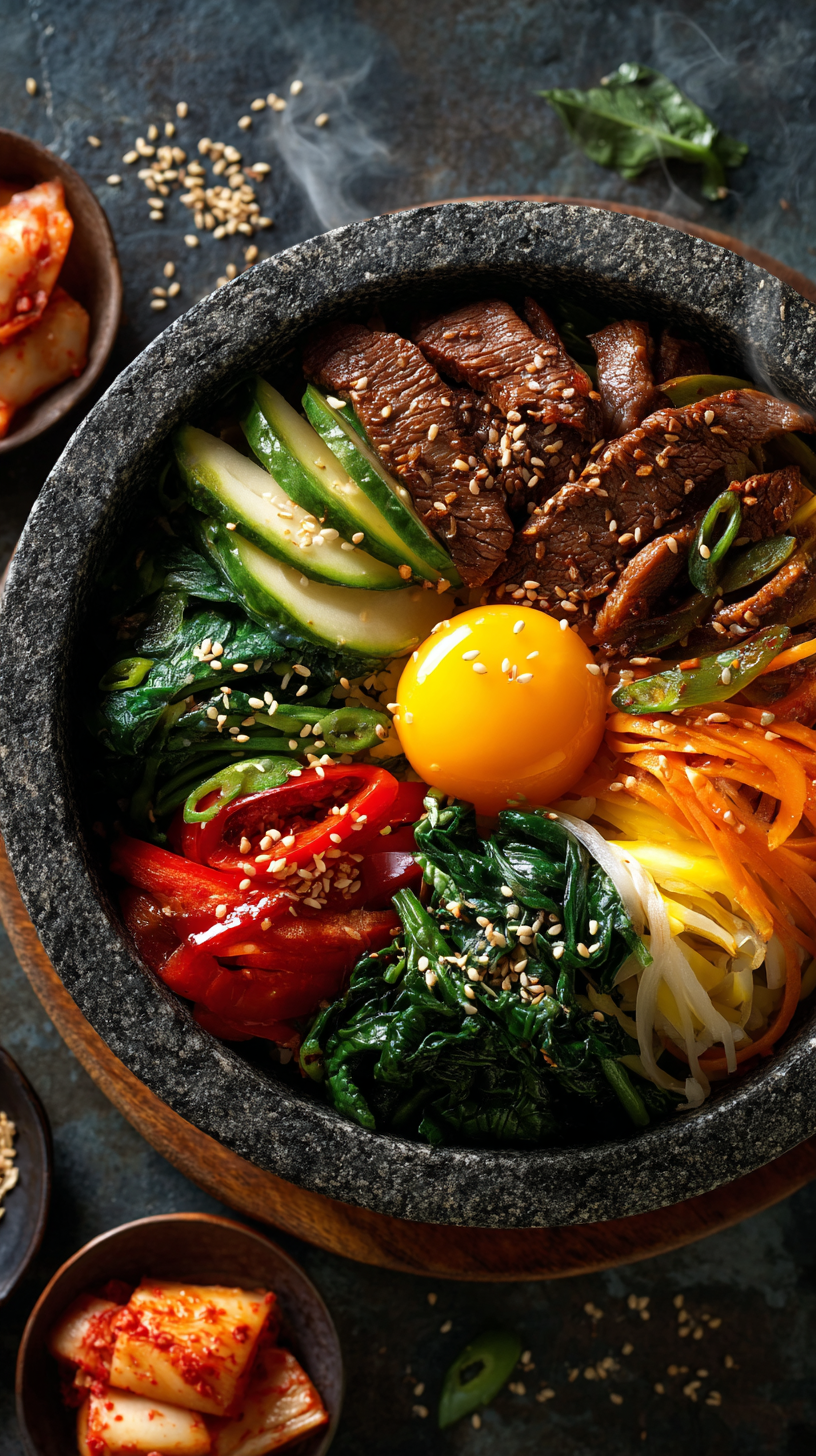
There’s something magical about a bowl of bibimbap. The way each ingredient sits in its own colorful section, the sizzle of the hot stone bowl, and that moment when you mix everything together with spicy gochujang sauce—it’s more than just a meal. It’s an experience that brings Korean culture right to your kitchen.
If you’ve been wanting to recreate that restaurant-quality bibimbap at home, you’re in the right place. This recipe breaks down every component so you can build the perfect bowl, whether you’re cooking for a weeknight dinner or impressing guests with something special.
What Is Bibimbap and Why Is It So Popular?
Bibimbap literally means “mixed rice” in Korean, and that simple name tells you everything you need to know. It’s a bowl of warm rice topped with seasoned vegetables, protein, a fried egg, and spicy-sweet gochujang sauce. The magic happens when you stir everything together, creating a harmonious blend of flavors and textures in every bite.
What makes bibimbap so beloved is its incredible balance. You get crispy, tender, savory, spicy, and fresh elements all in one bowl. Plus, it’s naturally customizable—you can adjust the vegetables based on what’s in season or what you have on hand.
Traditional bibimbap comes in two main styles: dolsot bibimbap (served in a hot stone bowl that creates a crispy rice crust) and regular bibimbap (served in a regular bowl). Both are delicious, though the stone bowl version adds an extra layer of texture that’s hard to resist.
Ingredients for Korean Bibimbap
For the Rice
- 2 cups short-grain white rice (or brown rice for a healthier option)
- 2½ cups water
For the Vegetables
- 1 cup bean sprouts
- 1 cup spinach
- 1 medium zucchini, julienned
- 1 large carrot, julienned
- 4 oz shiitake mushrooms, sliced
- Sesame oil for cooking
- Salt to taste
- 2 cloves garlic, minced
For the Protein
- 8 oz beef (ribeye or sirloin), thinly sliced
- 2 tablespoons soy sauce
- 1 tablespoon sesame oil
- 1 tablespoon brown sugar
- 2 cloves garlic, minced
- 1 teaspoon sesame seeds
For Assembly
- 4 eggs
- 1 cup kimchi (optional but recommended)
- Toasted sesame seeds
- Sliced green onions
- Gim (roasted seaweed sheets), cut into strips
For the Gochujang Sauce
- 3 tablespoons gochujang (Korean red pepper paste)
- 1 tablespoon sesame oil
- 1 tablespoon rice vinegar
- 1 tablespoon honey or brown sugar
- 1 teaspoon minced garlic
- 1 teaspoon water (to adjust consistency)
How to Make Authentic Korean Bibimbap Step by Step
Step 1: Cook the Rice
Start by rinsing your rice under cold water until it runs clear. This removes excess starch and gives you fluffier rice. Cook according to your rice cooker instructions, or use the stovetop method: combine rice and water in a pot, bring to a boil, then reduce heat to low, cover, and simmer for 18 minutes. Let it rest for 10 minutes before fluffing.
Step 2: Prepare the Vegetables
The key to great bibimbap is preparing each vegetable separately so they maintain their individual flavors and textures.
Bean Sprouts: Blanch in boiling water for 2 minutes, drain, and toss with a pinch of salt and a drizzle of sesame oil.
Spinach: Blanch for 1 minute, squeeze out excess water, and season with sesame oil, salt, and a little minced garlic.
Zucchini: Sauté in a pan with a bit of sesame oil and salt until just tender but still slightly crisp, about 3-4 minutes.
Carrots: Quickly sauté with a pinch of salt until slightly softened, about 2-3 minutes.
Mushrooms: Cook in a pan with sesame oil and a splash of soy sauce until golden and tender, about 5 minutes.
Step 3: Marinate and Cook the Beef
In a bowl, combine the beef with soy sauce, sesame oil, brown sugar, garlic, and sesame seeds. Let it marinate for at least 15 minutes (or up to 2 hours in the fridge). Heat a pan over high heat and quickly cook the beef until caramelized and cooked through, about 3-4 minutes.
Step 4: Fry the Eggs
Cook your eggs sunny-side up in a lightly oiled pan. The yolk should be runny so it acts as an additional sauce when you mix your bibimbap. If you prefer, you can also make fried eggs with slightly crispy edges for extra texture.
Step 5: Make the Gochujang Sauce
Whisk together all sauce ingredients in a small bowl. Taste and adjust—add more honey if you want it sweeter, more gochujang for heat, or a bit more water if it’s too thick.
Step 6: Assemble Your Bibimbap Bowl
This is where presentation matters. Divide the warm rice among four bowls. Arrange the vegetables in separate sections around the bowl, creating a colorful wheel pattern. Place the beef in its own section, add a portion of kimchi if using, and top with a fried egg in the center. Sprinkle with sesame seeds, green onions, and gim strips.
Serve with gochujang sauce on the side, and instruct everyone to mix everything together thoroughly before eating.
Tips for Making the Best Bibimbap Every Time
Use a Hot Stone Bowl: If you have a dolsot (Korean stone bowl), heat it on the stove before adding your rice and ingredients. This creates that signature crispy rice crust called nurungji.
Keep Vegetables Crisp: Don’t overcook your vegetables. They should be tender but still have some bite to maintain textural variety in your bowl.
Slice Meat Thinly: For tender beef, slice it as thin as possible against the grain. Partially freezing the meat for 30 minutes makes this much easier.
Season Each Component: Don’t skip seasoning individual elements. This layered seasoning is what makes bibimbap so flavorful.
Mise en Place: Have all your ingredients prepped and ready before you start cooking. Bibimbap comes together quickly once you begin.
Vegetarian and Vegan Bibimbap Options
Bibimbap is incredibly adaptable to plant-based diets. Simply omit the beef and egg, or replace them with:
- Tofu: Pan-fry cubed firm tofu until golden and crispy, then season with soy sauce and sesame oil
- Tempeh: Marinate and cook just like the beef
- Mushrooms: Add extra varieties like oyster or king oyster mushrooms for a meaty texture
- Vegan Egg: Use a tofu scramble seasoned with turmeric and black salt
You can also add more vegetables like cucumber, radish, or bell peppers to bulk up the bowl.
The Health Benefits of Bibimbap
Bibimbap is genuinely one of the most balanced meals you can eat. Here’s why nutritionists love it:
Nutrient Density: With multiple vegetables, you’re getting a wide array of vitamins, minerals, and antioxidants in a single meal.
Balanced Macros: The combination of rice (carbohydrates), protein (beef or tofu), and healthy fats (sesame oil, egg) provides sustained energy.
Gut Health: Kimchi and other fermented elements provide beneficial probiotics that support digestion.
Portion Control: The bowl format naturally encourages reasonable portions while still feeling satisfying and complete.
Fiber-Rich: All those vegetables contribute significant fiber, which helps with digestion and keeps you full longer.
When made with brown rice and plenty of vegetables, bibimbap fits beautifully into clean eating plans, Mediterranean-inspired diets, and balanced nutrition approaches.
Bibimbap Variations to Try
Once you’ve mastered the classic version, explore these delicious variations:
Dolsot Bibimbap: The stone bowl version with crispy rice at the bottom
Jeonju Bibimbap: The most famous regional style, with beef tartare and extra vegetables
Hoedeopbap: A seafood version with raw fish instead of beef
Kimchi Bibimbap: Extra kimchi mixed throughout for more tang and spice
Seasonal Bibimbap: Adjust vegetables based on what’s fresh—asparagus in spring, squash in fall
Common Mistakes to Avoid
Using the Wrong Rice: Short-grain rice is essential. Long-grain varieties won’t give you the right sticky texture.
Overcrowding the Pan: Cook vegetables in small batches to ensure proper sautéing rather than steaming.
Cold Ingredients: Everything should be warm when you assemble your bowl. Cold vegetables will bring down the temperature of your rice.
Not Enough Sauce: That gochujang sauce is crucial. Make extra—people always want more.
Mixing Too Early: Wait until you’re ready to eat before mixing. The presentation is part of the experience.
Storage and Meal Prep Tips
Bibimbap components can be prepped ahead, making it perfect for meal planning:
Rice: Cook and refrigerate for up to 5 days. Reheat with a splash of water.
Vegetables: Prepare and store separately in airtight containers for 3-4 days.
Beef: Marinated beef keeps for 2 days raw, or cook it and store for up to 4 days.
Sauce: Gochujang sauce lasts 1-2 weeks in the refrigerator.
Assembly: For best results, assemble bowls fresh. However, you can build meal prep containers with separated sections to keep ingredients from getting soggy.
What to Serve with Bibimbap
While bibimbap is a complete meal on its own, you can round out a Korean dinner with:
- Korean side dishes (banchan): Pickled radish, seasoned cucumber, or stir-fried anchovies
- Korean soup: A light broth-based soup like miyeok guk (seaweed soup)
- Korean fried chicken: For a more indulgent meal
- Fresh fruit: Watermelon or Asian pear for dessert
Serve with barley tea or a light lager to complement the spicy, savory flavors.
Frequently Asked Questions
Can I make bibimbap without gochujang?
While gochujang is traditional and gives bibimbap its signature flavor, you can substitute sriracha mixed with a little miso paste, or use any spicy sauce you enjoy. The dish won’t be authentically Korean, but it will still be delicious.
What’s the best rice for bibimbap?
Short-grain white rice is traditional. It has the perfect sticky texture that holds together when mixed. You can use brown rice for added nutrition, though the texture will be slightly different.
Do I have to use a stone bowl?
Not at all. A regular bowl works perfectly fine. The stone bowl (dolsot) adds the crispy rice crust, which is amazing, but it’s not essential for enjoying bibimbap.
Can I make bibimbap gluten-free?
Yes! Use tamari instead of soy sauce and ensure your gochujang is gluten-free (some brands contain wheat). Everything else in the recipe is naturally gluten-free.
How spicy is bibimbap?
The spice level is completely up to you since the gochujang sauce is served on the side. Start with less sauce and add more as desired. Gochujang has a moderate, building heat rather than an intense burn.
Can I use chicken instead of beef?
Absolutely. Thinly sliced chicken breast or thigh works great. Use the same marinade and cooking method as the beef.
Is bibimbap good for meal prep?
Yes, with some considerations. Store components separately and assemble fresh when ready to eat. This prevents soggy vegetables and keeps everything at its best quality.
What vegetables are essential for bibimbap?
There’s no strict rule, but spinach, bean sprouts, carrots, and zucchini are the most common. Feel free to add or substitute based on preference and availability.
Conclusion
Making authentic Korean bibimbap at home might seem intimidating at first, but once you understand the basic components, it becomes a straightforward and deeply rewarding cooking project. The beauty of this dish lies in its flexibility—you can follow the traditional recipe exactly or make it your own with different vegetables, proteins, and spice levels.
What makes bibimbap truly special isn’t just the delicious combination of flavors and textures. It’s the care that goes into preparing each element individually, the visual beauty of a well-arranged bowl, and that satisfying moment when you mix everything together and take your first bite. It’s comfort food that also happens to be nutritious, impressive enough for guests but easy enough for a Tuesday night dinner.
Start with this recipe, master the basics, and then let your creativity guide you. Before long, you’ll be making bibimbap as naturally as any Korean grandmother, adjusting ingredients by instinct and creating bowls that bring people together around the table. That’s the real magic of bibimbap—it’s not just food, it’s a celebration of balance, color, and flavor that makes every meal feel special.
Ingredients
Method
- Cook the rice: Rinse rice until water runs clear. Combine with water in a pot, bring to a boil, reduce heat to low, cover, and simmer 18 minutes. Let rest 10 minutes.
- Prepare vegetables separately: Blanch bean sprouts 2 minutes and spinach 1 minute. Squeeze spinach dry. Season both with sesame oil and salt. Sauté zucchini 3-4 minutes, carrots 2-3 minutes, and mushrooms 5 minutes with sesame oil until tender.
- Marinate and cook beef: Mix beef with soy sauce, sesame oil, brown sugar, garlic, and sesame seeds. Marinate 15 minutes. Cook in hot pan 3-4 minutes until caramelized.
- Fry eggs: Cook eggs sunny-side up with runny yolks in lightly oiled pan.
- Make sauce: Whisk all sauce ingredients together in a small bowl. Adjust consistency with water if needed.
- Assemble bowls: Divide rice among 4 bowls. Arrange vegetables, beef, and kimchi in separate sections around the bowl. Top with fried egg in center. Garnish with sesame seeds, green onions, and gim.
- Serve: Serve with gochujang sauce on the side. Mix everything together thoroughly before eating.
Notes
- For crispy rice: Use a stone bowl (dolsot) heated on the stove before adding ingredients.
- Vegetarian option: Replace beef with pan-fried tofu or extra mushrooms.
- Make ahead: Prep all components separately and store up to 3 days. Assemble fresh when ready to serve.
- Gluten-free: Use tamari instead of soy sauce and check gochujang label.
- Spice level: Control heat by adjusting amount of gochujang sauce used.