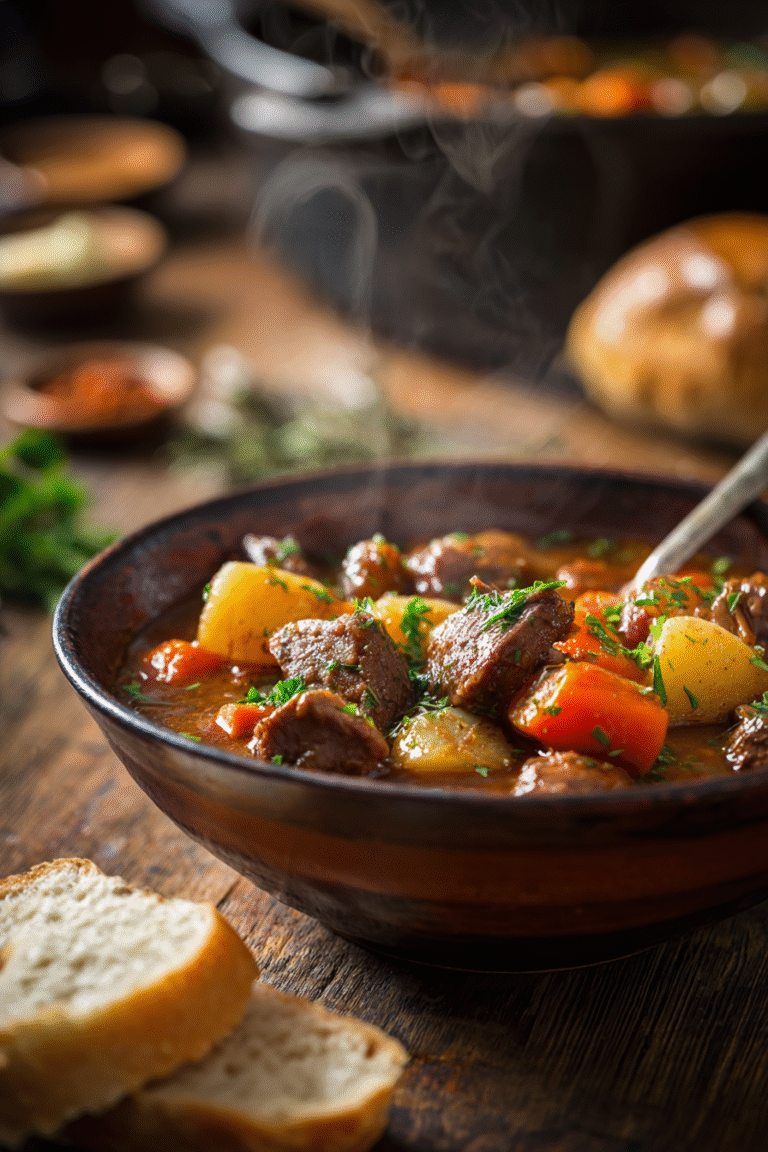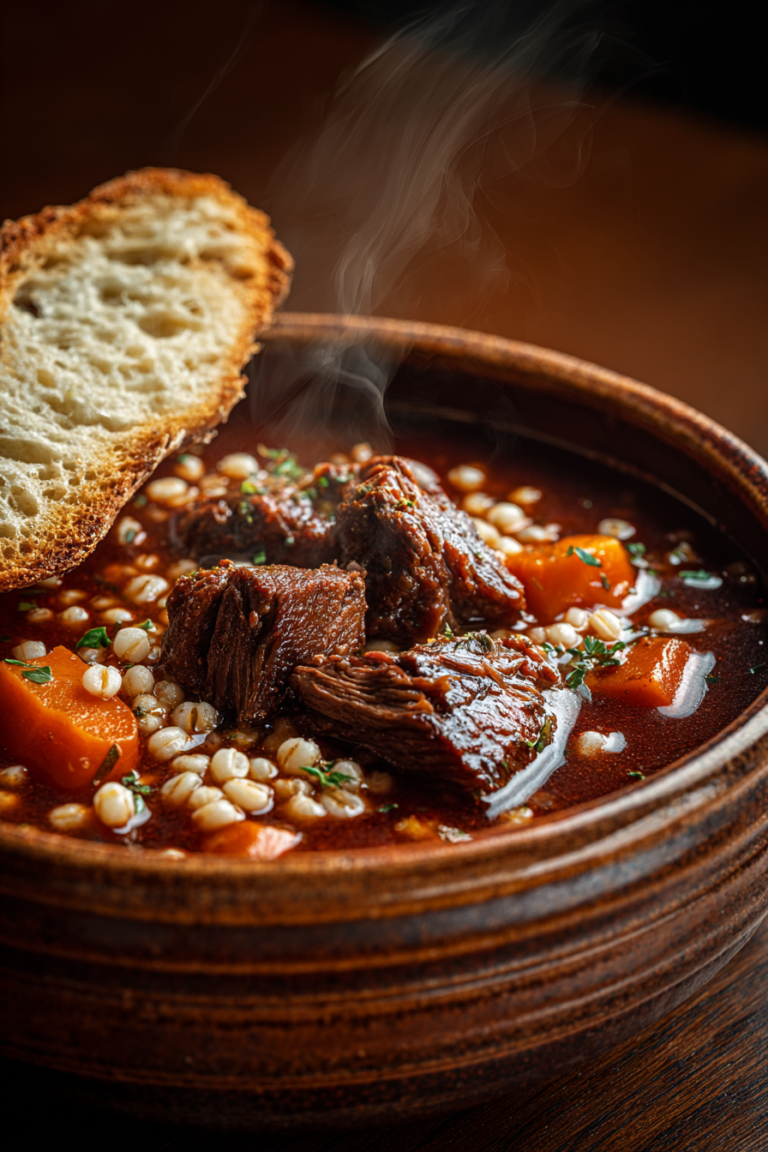
Minced Beef Recipes: Family Favorites That Never Disappoint
There’s a reason minced beef (or ground beef, as some call it) has earned permanent residence in my fridge. It’s honestly one of those ingredients that saves me on those nights when I’m staring into the fridge at 5:30 PM wondering what on earth I’m going to feed everyone. No slicing, no marinating, no fuss – just pure, versatile potential waiting to become something delicious.
I’ll be honest – there have been weeks where we’ve eaten spag bol three times, and I’ve caught myself thinking “surely there’s more I can do with this?” That’s exactly why I’ve pulled together this collection of tried-and-tested minced beef recipes that go way beyond the usual suspects. These are the dishes I actually cook on repeat, the ones my kids request by name, and the ones that make even Tuesday nights feel a bit special.
What I love most about cooking with minced beef is how it carries flavors so beautifully. Whether you’re going Italian with herbs and tomatoes, Asian with ginger and soy, or keeping it classically British with gravy and veg, mince just absorbs everything and delivers every single time. Plus, it’s economical (always a win), freezes brilliantly, and cooks quickly enough that you can have dinner on the table in the time it takes to watch an episode of your favorite show.
⏱️ Recipe Time Overview
Prep Time: 10-15 minutes
Cook Time: 20-45 minutes (depending on recipe)
Total Time: 30-60 minutes
Note: Individual recipes vary – some quick stir-fries can be ready in just 15 minutes total, while slow-cooked comfort dishes like lasagne may take longer but are absolutely worth it.
🥩 Essential Ingredients for Perfect Minced Beef Dishes
Here’s what I always keep on hand for those spontaneous mince nights:
The Star Ingredient
- 500g-1kg lean minced beef (I usually go for around 10-12% fat – keeps things flavorful without being greasy)
- Substitution tip: You can use turkey mince, lamb mince, or even plant-based alternatives in most recipes
Aromatics & Base Flavors
- 1-2 medium onions, finely chopped
- 2-4 cloves garlic, minced (honestly, I always add extra)
- Fresh ginger (about 1-inch piece, for Asian-style dishes)
- 2 tablespoons olive oil or vegetable oil
Flavor Builders
- Tomato puree or paste (2-3 tablespoons)
- Beef stock (300-500ml) or stock cubes
- Soy sauce (for Asian recipes – dark soy adds beautiful color)
- Worcestershire sauce (my secret weapon for British-style dishes)
- Dried herbs: Italian herbs, oregano, thyme, or bay leaves
- Spices: Cumin, paprika, chili powder (depending on your flavor direction)
The Supporting Cast
- Canned tomatoes (400g tin – crushed or chopped)
- Mixed vegetables (frozen is absolutely fine and often more convenient)
- Cornflour or plain flour (for thickening)
- Salt and freshly ground black pepper
Optional Extras That Make All The Difference
- Brown sugar (balances acidity in tomato-based dishes)
- Red wine (adds depth to bolognese and ragu)
- Fresh herbs (coriander, parsley, basil)
- Cheese (because cheese makes everything better)
- Rice, pasta, or potatoes for serving
👩🍳 How to Cook Perfect Minced Beef (Step-by-Step Instructions)
Let me walk you through my go-to method for cooking minced beef that works as a base for countless recipes:
Method 1: Classic Savory Mince Base
Step 1: Get Your Pan Hot
Heat 2 tablespoons of oil in a large, deep frying pan or shallow casserole dish over medium-high heat. Don’t skimp on the pan size – you want space for the mince to brown properly, not steam.
Step 2: Soften the Aromatics
Add your chopped onions and cook for about 5 minutes until they’re turning translucent and starting to catch color at the edges. This is where the flavor foundation begins. Throw in your minced garlic and cook for another minute – your kitchen should smell amazing right about now.
Step 3: Brown the Beef
Turn the heat up high and add your minced beef. Here’s my tip: don’t touch it for the first minute or two. Let it get some proper color on the bottom, then break it up with a wooden spoon. Keep stirring and breaking up any lumps until all the pink bits have disappeared and everything looks nicely browned. This usually takes 5-7 minutes.
Step 4: Build Your Flavor
This is where recipes diverge, but here are the most common paths:
For Italian-Style (Bolognese, Lasagne, Meatballs):
- Stir in 2 tablespoons tomato puree and cook for 1 minute
- Add 400g tin of chopped tomatoes
- Pour in 250ml beef stock
- Season with dried herbs (Italian herbs or oregano), salt, and pepper
- Simmer on low for 20-30 minutes, stirring occasionally
For Asian-Style (Stir-Fries, Beef Bowls):
- Make a quick sauce: Mix 3 tablespoons soy sauce, 2 tablespoons rice vinegar, 1 tablespoon brown sugar, 1 teaspoon sesame oil
- Add fresh ginger and garlic at the start
- Cook the beef, then pour in the sauce
- Let it bubble and reduce for 2-3 minutes until it coats the beef beautifully
For British Comfort Food (Cottage Pie, Savoury Mince):
- Sprinkle in 1 tablespoon flour after browning and cook for a minute
- Add 2 tablespoons tomato puree
- Pour in 400ml beef stock mixed with 1 teaspoon Worcestershire sauce or Marmite (trust me on the Marmite!)
- Add frozen mixed veg and simmer for 15 minutes until thick and glossy
Step 5: Adjust and Serve
Taste it (always taste!) and adjust seasoning. Too sharp? Add a pinch of sugar. Need more depth? Another splash of Worcestershire sauce or soy sauce works wonders. Serve over rice, pasta, mashed potatoes, or in tacos, wraps, or pastry – whatever takes your fancy.
💡 My Best Tips & Variations
After years of cooking with mince, here are the tricks I’ve learned the hard way (so you don’t have to):
Quality Matters
Go for the best quality mince you can afford – around 10-12% fat is the sweet spot. Too lean and it’ll be dry; too fatty and you’ll be draining off grease forever. I buy in bulk when it’s on offer and freeze it in 500g portions.
Brown Properly, Don’t Boil
The biggest mistake I see (and made myself for ages) is adding liquid too early. Get that beef properly browned first – that caramelization is pure flavor. If there’s liquid in the pan, you’re steaming, not browning.
Make It Work Harder
Batch cook and freeze! I often double recipes and freeze half. Future you will be incredibly grateful when you can pull out a ready-made lasagne or bolognese sauce on a chaotic Wednesday.
Sneak in Extra Veg
Grated carrot, finely chopped mushrooms, or diced peppers can be added alongside the onions. They basically disappear into the sauce but add nutrients and bulk out the dish (helpful for both health and budget).
Dairy-Free & Gluten-Free Adaptations
- Most minced beef recipes are naturally gluten-free if you use cornflour instead of plain flour
- Skip the cheese toppings or use dairy-free alternatives
- Check your stock cubes – some contain gluten
Storage Tips
- Fridge: Cooked minced beef dishes keep for 3-4 days in an airtight container
- Freezer: Up to 3 months. Cool completely before freezing. Label with the date!
- Reheating: Add a splash of water or stock when reheating to prevent it drying out
Quick Recipe Variations Using the Same Base
Turn Bolognese Into:
- Lasagne (layer with pasta sheets and white sauce)
- Chili con carne (add kidney beans, cumin, and chili powder)
- Sloppy joes (add brown sugar and serve in buns)
- Cottage pie (top with mashed potato and bake)
Turn Asian Beef Into:
- Lettuce cups (serve in crispy lettuce leaves)
- Fried rice (stir through cooked rice)
- Noodle bowls (serve over ramen or rice noodles)
- Spring rolls (use as filling)
🍽️ Serving Suggestions
The beauty of minced beef is its versatility. Here’s what I serve with different styles:
Italian Dishes: Fresh pasta, spaghetti, garlic bread, simple green salad with balsamic dressing
Asian Dishes: Jasmine or basmati rice, egg noodles, steamed bok choy, sesame seeds for garnish
British Comfort Food: Creamy mashed potatoes, roasted root vegetables, buttered peas, crusty bread
Mexican-Inspired: Warm tortillas, guacamole, sour cream, shredded lettuce, grated cheddar
📊 Nutrition Facts (Approximate per serving)
Based on 500g lean minced beef serving 4 people, with basic vegetable additions
- Calories: 320-450 (varies significantly by recipe)
- Protein: 28-32g
- Fat: 12-18g
- Carbohydrates: 8-15g (not including rice/pasta/potato sides)
- Fiber: 2-4g
Note: These are rough estimates. Nutritional content varies widely depending on the specific recipe, fat content of your mince, and what you serve alongside. The addition of pasta, rice, cheese, or cream will significantly increase calorie and carb counts.
Why These Minced Beef Recipes Work Every Time
Here’s the thing – I’ve been cooking for my family for over 15 years now, and minced beef has been there through countless dinner dilemmas. What I’ve learned is that the best recipes aren’t necessarily the most complicated. They’re the ones you can make on autopilot when you’re tired, the ones that use ingredients you actually have in your cupboard, and the ones that don’t result in a mountain of washing up.
These recipes work because they’re forgiving. Forgot to buy fresh herbs? Dried works fine. No red wine for the bolognese? Extra stock does the job. Kids suddenly decide they hate visible vegetables? Blend them into the sauce before anyone notices. (I’m not above culinary subterfuge when it means everyone eats their dinner without drama.)
The versatility of minced beef means you’re never stuck eating the same meal twice. Monday’s savoury mince becomes Tuesday’s cottage pie topping. Wednesday’s Asian beef bowl transforms into Thursday’s fried rice. It’s budget-friendly cooking that doesn’t taste budget-friendly, if you know what I mean.
And honestly? Sometimes it’s just comforting to have these reliable recipes in your back pocket. The kind you can make while helping with homework, breaking up sibling arguments, and answering seventeen questions about dinosaurs (or is that just my house?).
❓ Frequently Asked Questions
Can I use frozen minced beef straight from the freezer?
I wouldn’t recommend it for best results. Frozen mince releases a lot of water as it cooks, which means you’ll be boiling it rather than browning it. However, if you’re in a pinch, you can – just know the texture won’t be quite as good. I always try to defrost mine overnight in the fridge, or if I’ve forgotten (which happens more than I’d like to admit), I’ll use the defrost setting on the microwave. Just make sure it’s properly cooked through afterward – use a meat thermometer if you’re unsure; it should reach 75°C (167°F) internal temperature.
How do I know when minced beef is properly cooked?
It should be completely brown with no pink bits remaining. The meat should look crumbly and separate easily. If you’re making something with sauce, the beef should be cooked through before you add liquids – usually takes 5-7 minutes over medium-high heat. When in doubt, break apart a larger chunk to check the inside is cooked. Safety first!
My minced beef always seems to release so much fat. What am I doing wrong?
You’re probably not doing anything wrong – some mince just has a higher fat content than labeled (annoying, I know). Choose mince that’s labeled 10-12% fat max. If you end up with a pool of grease, carefully spoon it off before adding your other ingredients, or drain the beef in a sieve (but don’t rinse it – you’ll lose flavor). Also, make sure your pan is hot enough – if it’s too cool, the fat renders out too slowly.
Can I make these recipes ahead of time?
Absolutely! In fact, many minced beef dishes taste even better the next day once the flavors have had time to develop. Bolognese, chili, curry – all of these actually benefit from being made ahead. I often cook double batches on Sunday and portion them out for the week. Just cool them quickly, store in airtight containers, and refrigerate within two hours of cooking. Most will keep for 3-4 days in the fridge.
What’s the best way to freeze cooked minced beef dishes?
Cool your cooked dish completely first (spread it out on a baking tray to speed this up). Then transfer to freezer-safe containers or bags, removing as much air as possible. Freeze flat if using bags – they stack better and defrost quicker. Label everything with the dish name and date. Most minced beef dishes freeze brilliantly for up to 3 months. To use, defrost overnight in the fridge and reheat thoroughly until piping hot all the way through.
Can I substitute the minced beef with another protein?
Yes! Turkey mince works beautifully in most recipes and is leaner. Lamb mince is fantastic in Mediterranean or Middle Eastern-style dishes. Pork mince adds a slightly sweeter flavor. You can even use plant-based mince alternatives – just follow the package instructions as cooking times may vary. Some plant-based options don’t need browning the same way real meat does, so you might add them later in the cooking process.
Final Thoughts
If you’ve made it this far, you’re probably as enthusiastic about the humble packet of mince as I am! Whether you’re feeding a family on a budget, meal prepping for the week ahead, or just want a reliable dinner that doesn’t require twenty ingredients and three hours of your time, minced beef is your friend.
I’d love to hear how you get on with these recipes. Do you have a secret ingredient that makes your minced beef dishes special? Maybe it’s a splash of coffee in your bolognese, or a spoonful of peanut butter in your Asian stir-fry? (Yes, really – try it!) Drop a comment below and let me know what worked for you, what didn’t, and what you’d like to see next.
Now, if you’ll excuse me, I have a packet of mince defrosting and a family to feed. Happy cooking!